
Introduction to the Texas Gulf Coast Seasons
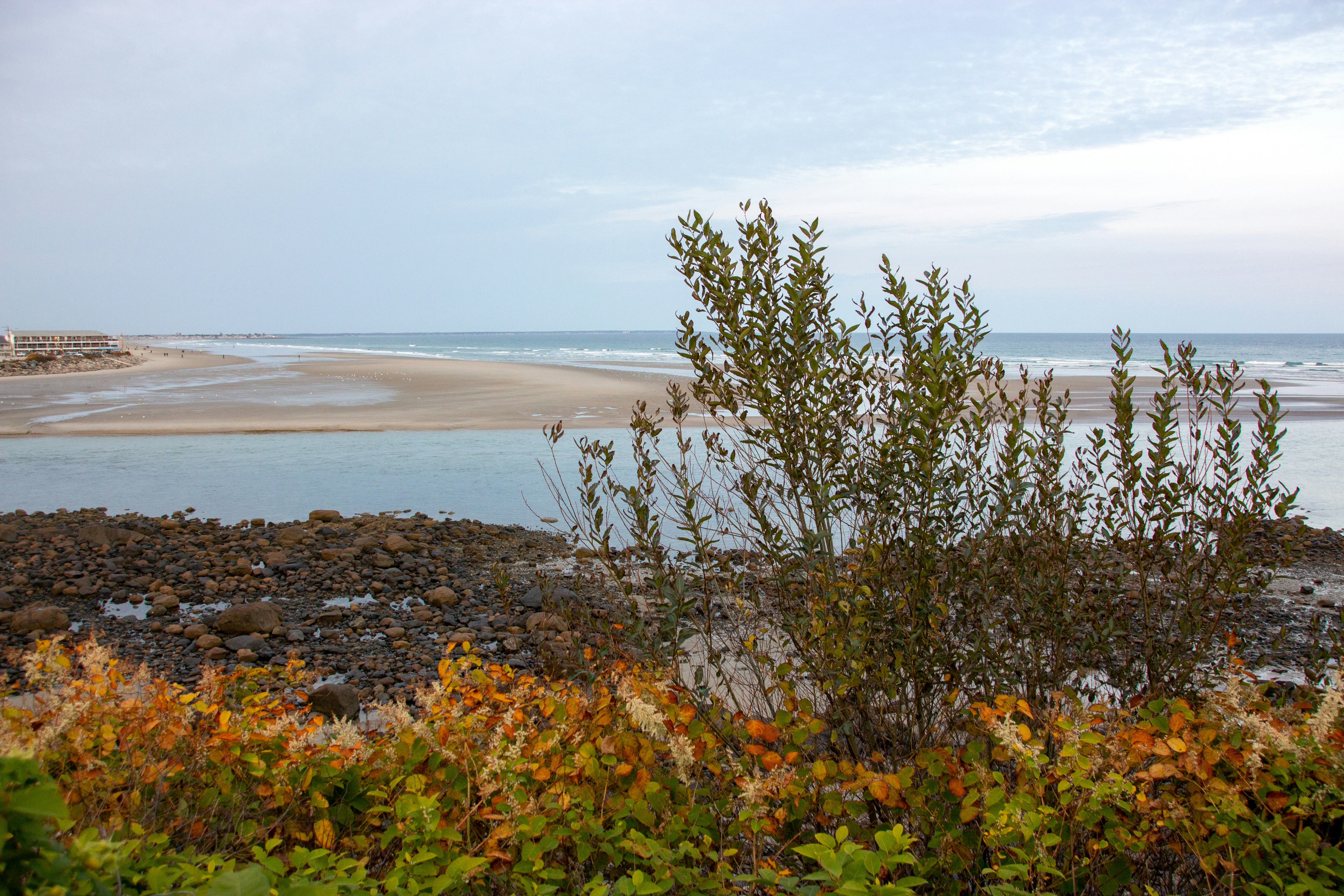
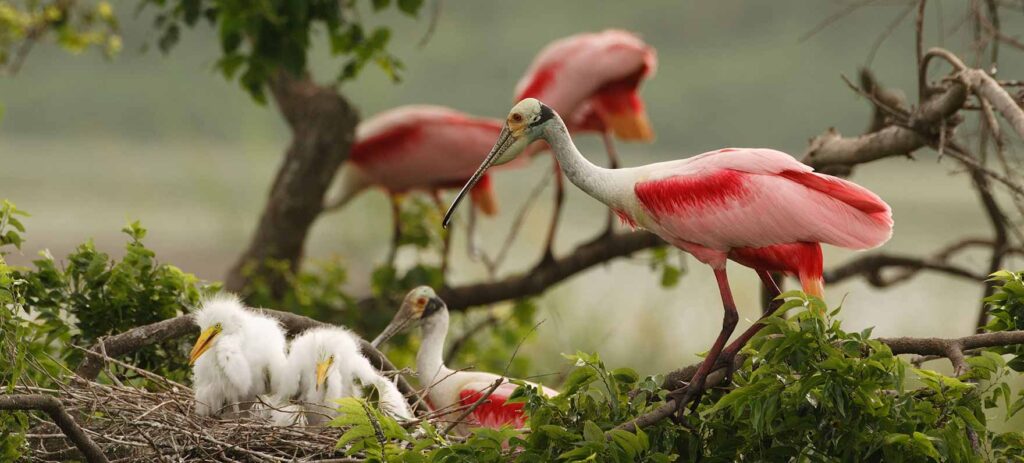
The Texas Gulf Coast is a stunning region known for its diverse ecosystems, vibrant wildlife, and rich cultural heritage as well as one of the biggest birding areas on the coast, great fishing and boating. Stretching along the southeastern edge of Texas, this coastal area is not only a popular destination for tourists but also a cherished home for its residents. One of the remarkable features of the Texas Gulf Coast is its ability to showcase four distinct seasons, each contributing to the unique atmosphere and experiences available throughout the year.
The climate of the Texas Gulf Coast is predominantly characterized by its warm temperatures and humidity, but the changes in seasons bring about varying weather patterns and environmental characteristics. Spring is often marked by blooming wildflowers and mild temperatures, leading into the hot and humid summer, which invites beachgoers and outdoor enthusiasts to engage in a host of activities along the shoreline. Autumn introduces cooler temperatures and often dramatic sunsets, while winter, though mild compared to other regions, offers a unique charm as the landscape transforms and wildlife becomes more active.

Understanding the seasonal changes on the Texas Gulf Coast is essential for both residents and visitors. Each season presents unique opportunities for exploration, recreation, and appreciation of the local environment. Seasonal experiences can shape one’s lifestyle, influence local events, and inform preparation for weather-related challenges. For those residing in or frequently visiting the area, knowledge of these changes can greatly enhance their engagement with the community and natural surroundings.
In conclusion, the exploration of the Texas Gulf Coast through its distinct seasons presents an enriching experience that blends natural beauty with cultural vibrancy. Whether you are a local resident or a first-time visitor, each season offers something breathtaking and memorable, making it an ideal locale for year-round exploration.
Spring: Awakening of Nature
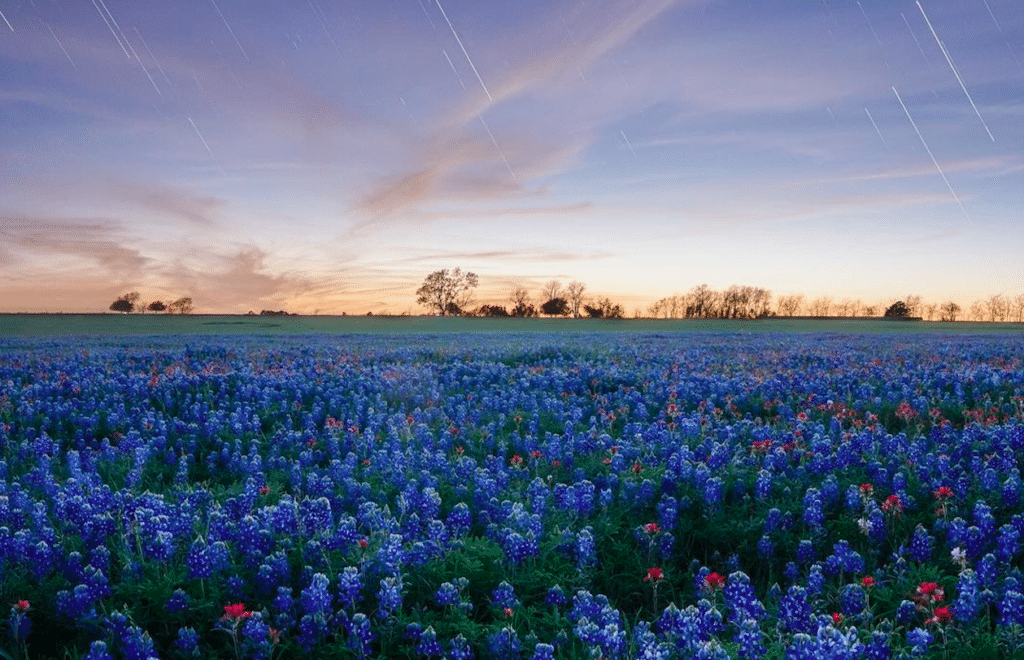
As the chill of winter begins to dissipate, spring emerges along the Texas Gulf Coast, marking a rejuvenation of nature that captivates residents and visitors alike. In March, the air becomes imbued with a refreshing warmth, encouraging a spectacular bloom of colors across gardens, wildflower fields, and parks. The vibrant wildflowers that flourish during this season, such as bluebonnets, Indian paintbrushes, and primroses, are not only a delight to the eye but also play a crucial role in the local ecosystem, attracting pollinators like bees and butterflies.
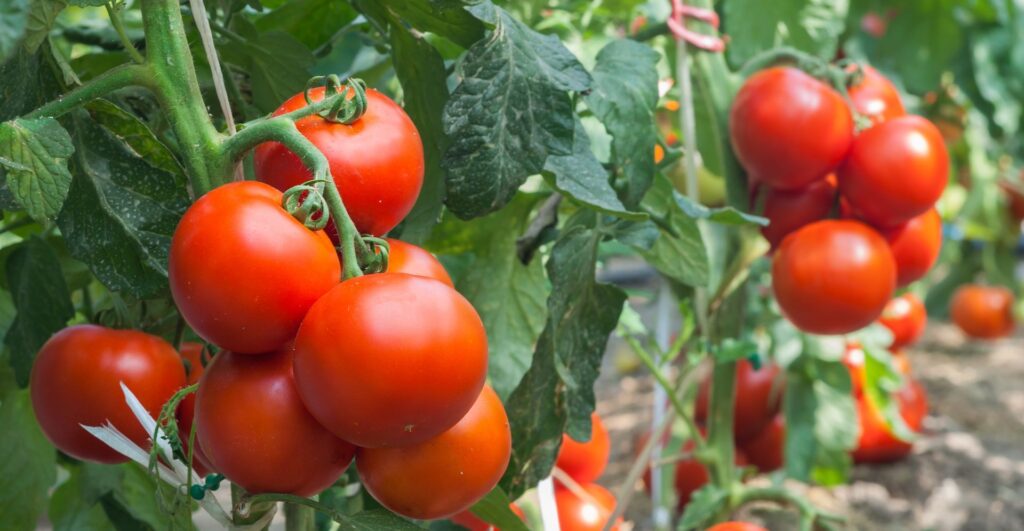
Springtime is also synonymous with agricultural activity in the region. Farmers take advantage of the moderate temperatures and plentiful rainfall to plant a variety of crops, including tomatoes, peppers, and other vegetables. The sight of lush, green fields ready for cultivation brings an added vibrancy to the landscape. As the agricultural sector awakens, local farmers’ markets thrive, offering fresh produce and an opportunity for the community to support local businesses.
To prepare homes and gardens for the onset of spring, it is paramount for homeowners to engage in some insightful landscaping practices. This includes selecting and planting suitable flora that can thrive in the warm, humid conditions of the Gulf Coast. Regularly assessing soil conditions and incorporating organic fertilizers can significantly enhance plant growth. Furthermore, establishing a pest management plan is essential at this time, as warmer weather often brings an increase in insect activity. Utilizing integrated pest management techniques, such as introducing beneficial insects or using organic repellents, can ensure that gardens remain healthy without relying on harmful chemicals.
In this season of renewal, embracing the vibrant beauty and preparing for pleasant outdoor activities allows residents to fully enjoy the rich tapestry that spring unfolds along the Texas Coast.
Summer: Heat and Humidity
Summer along the Texas coast is characterized by intense heat and elevated humidity levels, creating a unique atmosphere that can be challenging yet delightful for residents and visitors alike. The coastal region experiences temperature fluctuations that can vary greatly throughout the day, often reaching highs of 90°F (32°C) and occasionally climbing above 100°F (38°C), especially during the peak afternoons. This significant heat, combined with humidity levels frequently hovering around 70-90%, can lead to a sultry environment that influences daily activities.
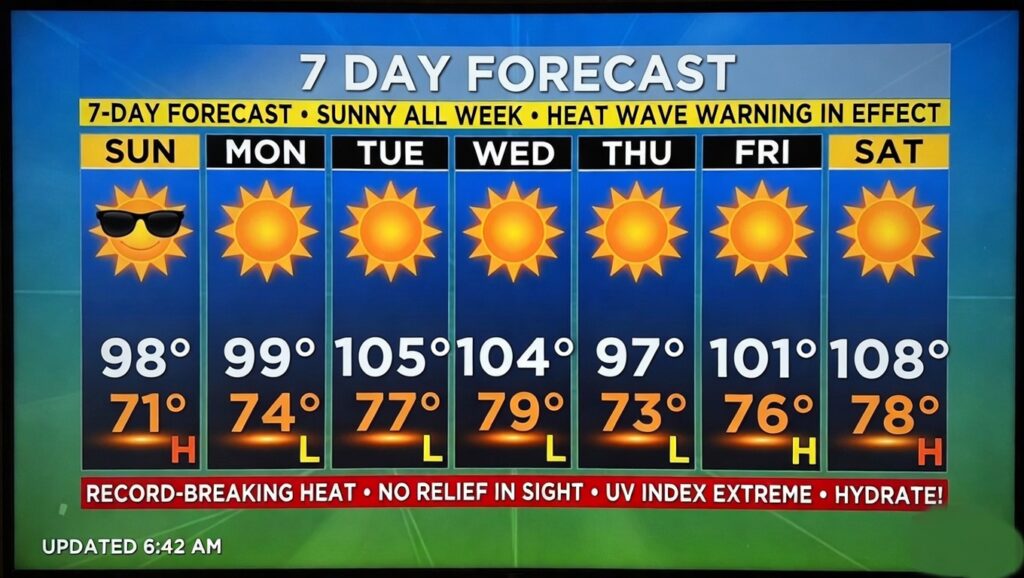
The high humidity in coastal Texas can greatly affect living conditions. Residents often find themselves in a perpetual battle against the heat, with cooling methods becoming essential for comfortable living. Air conditioning units are highly recommended, and regular maintenance on these systems is critical to ensure optimal cooling performance. It is advisable to check and clean filters, and ensure that the outdoor units are free of debris. Adequate ventilation and shading for homes can also reduce the effects of the relentless summer heat.

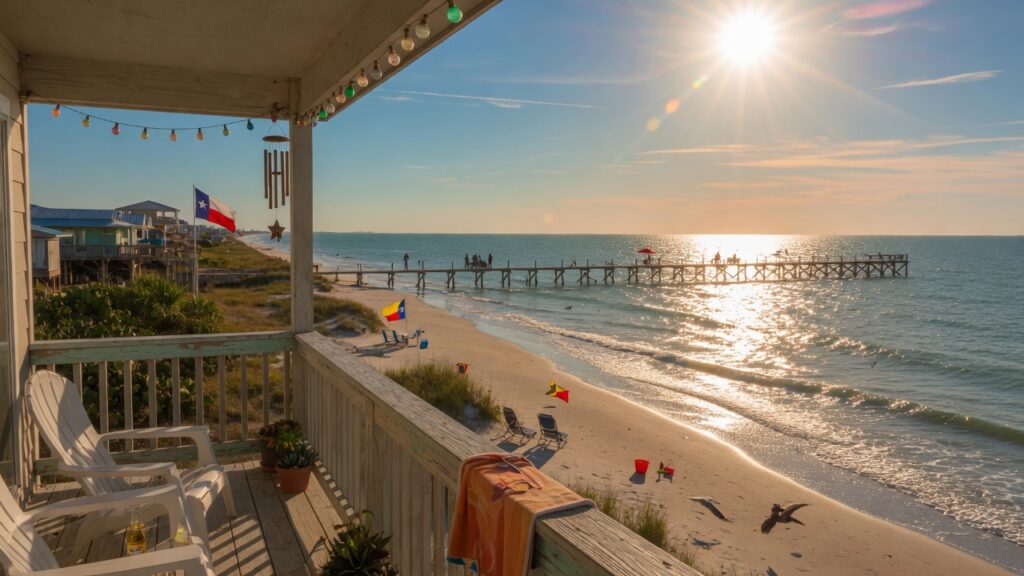
Outdoor activities are a quintessential part of summer life in Texas, particularly at the beach. Residents often engage in various shoreline pursuits such as swimming, fishing, and picnicking. However, planning these activities requires careful consideration of the temperature and UV index, prompting individuals to seek shade and sunscreen diligently. Appropriate clothing, such as lightweight, breathable fabrics along with wide-brimmed hats, can significantly enhance comfort levels during outdoor excursions.

Overall, summer in coastal Texas offers a blend of enviable beach enjoyment and the need for vigilant heat management. Embracing the season involves both appreciating the sun-soaked landscapes and implementing practical cooling strategies to ensure a pleasant and health-conscious lifestyle amidst the sweltering temperatures.
Fall: A Seasonal Transition
As fall approaches along the Texas Coast, a noticeable shift occurs in the atmosphere, marked by cooler temperatures and the vibrant transformation of foliage. The once lush greens transition to a stunning palette of oranges, reds, and yellows, creating a picturesque backdrop that signals the arrival of the season. This transformation is not merely aesthetic; it has profound impacts on local agriculture. Farmers begin to harvest crops such as cotton and pecans, taking advantage of the favorable conditions that autumn provides for various produce.

Moreover, fall serves as a prelude to several local festivals. Events celebrating the bountiful harvest, such as the annual Texas State Fair, encourage community gatherings that highlight local food, arts, and culture. These festivals not only foster community spirit but also offer residents and visitors alike a chance to experience the rich traditions present along the coast.

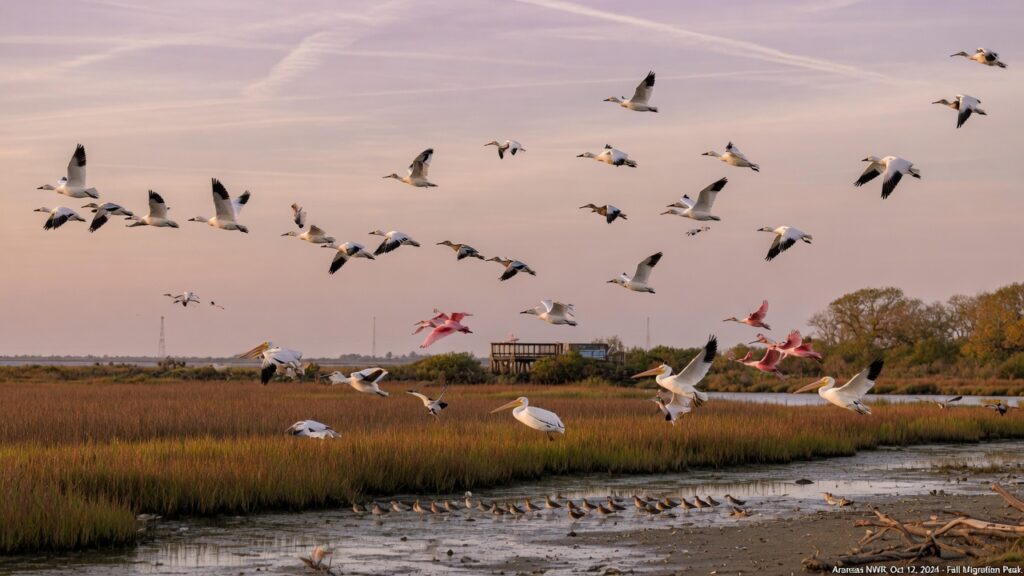
Wildlife also undergoes significant changes during this period, as animals prepare for the colder months ahead. Migratory birds begin their journey south, while local fauna stock up on food reserves. This seasonal transition offers a unique opportunity for wildlife enthusiasts to observe these natural behaviors in parks and conservation areas, making fall an excellent time for outdoor activities.
In addition to enjoying the seasonal beauty, it is prudent for homeowners to consider winterization strategies during the fall months. This includes insulating pipes, checking heating systems, and preparing gardens for the frost that will follow. Additionally, as temperatures drop, transitioning wardrobes to include stylish fall attire, such as layered sweaters and snug boots, becomes essential. Adopting these practices not only enhances comfort but also ensures readiness for the upcoming winter season.
Winter: Mild but Impactful
The Texas Gulf Coast experiences uniquely mild winters that set it apart from many other regions in the United States. While temperatures typically range from the mid-40s to low 60s Fahrenheit, this season does bring its own set of challenges and weather phenomena. Occasionally, cold fronts sweep down from the north, introducing sudden drops in temperature. These cold snaps, while often brief, can significantly impact local flora and homes.
During colder periods, homeowners must remain vigilant, as these front shifts can create condensation and lead to cold drafts if houses are not properly winterized. Insulating homes effectively is crucial in mitigating heat loss. Homeowners should focus on key areas such as attics, basements, and crawl spaces, where cold air may seep in. Additionally, doors and windows should be checked for air leaks; simple weather stripping can go a long way in maintaining warmth.

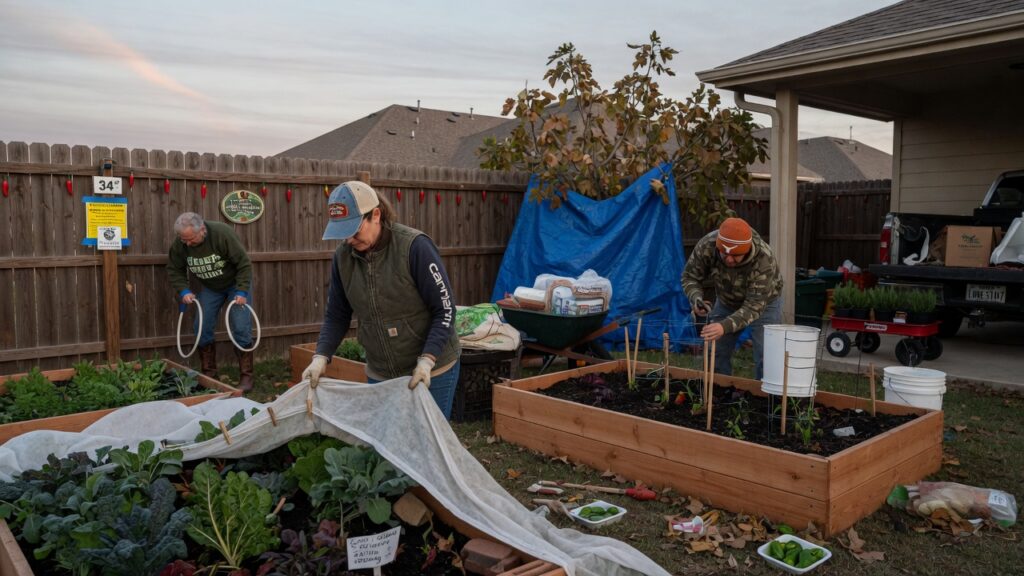
Moreover, winter gardening techniques are particularly important for maintaining a vibrant garden during the cooler months. For instance, utilizing row covers can protect sensitive plants from the cold fronts. In addition, focusing on cold-hardy plants can ensure a visually appealing landscape even when temperatures drop. Certain vegetables, such as kale and spinach, can thrive in the winter if given proper attention and protection.
Overall, while winter on the Texas Gulf Coast is mild, understanding the potential impacts of occasional cold fronts is vital for both plant health and home maintenance. Implementing effective insulation strategies and smart gardening practices can help residents navigate this season with ease.
Plant Life Throughout the Seasons
The Texas Gulf Coast is endowed with a rich variety of native flora that showcases remarkable adaptability throughout the seasons. Each plant species exhibits specific traits that enable them to thrive in the diverse coastal environment, making them essential not only for maintaining the ecosystem but also for enhancing human experiences in these picturesque surroundings.
In spring, wildflowers such as bluebonnets and Indian paintbrush burst forth, painting the landscape in stunning hues. Their vibrant displays are not only a treat for the eyes but also serve a critical role in supporting local pollinators. Planting native wildflowers can encourage bees and butterflies to prosper, contributing to a healthy ecosystem. Caring for these plants involves ensuring they receive adequate sunlight and minimal water, allowing them to flourish naturally in well-drained soils.
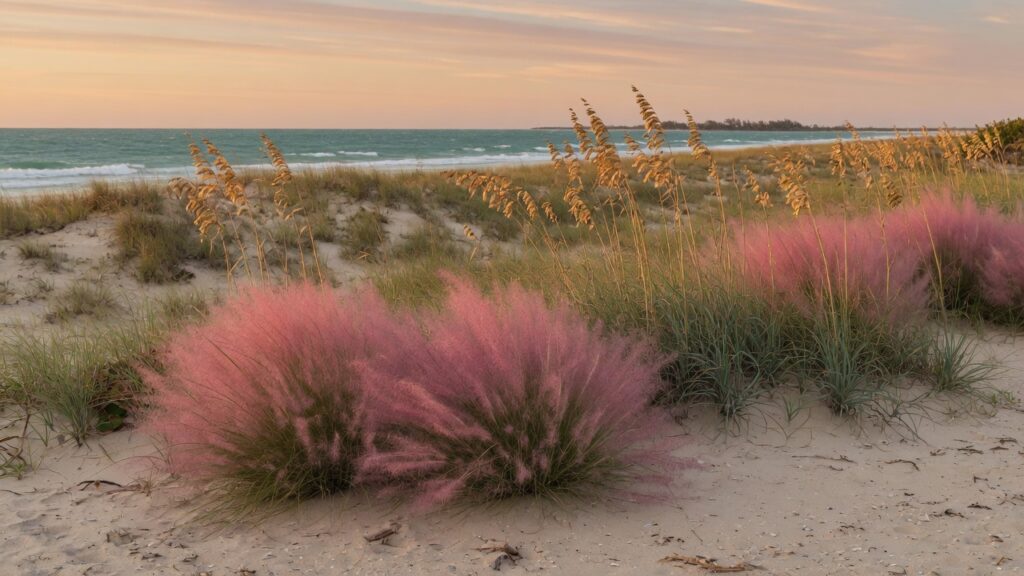
As summer approaches, coastal grasses like Gulf Coast Muhly and Sea Oats become prominent features of the landscape. These vital plants stabilize sand dunes, preventing erosion while providing habitats for various wildlife. To care for them, it is essential to maintain soil quality and periodic trimming to promote health and growth. Additionally, their ability to withstand heat and humidity makes them well-suited for the summer climate.
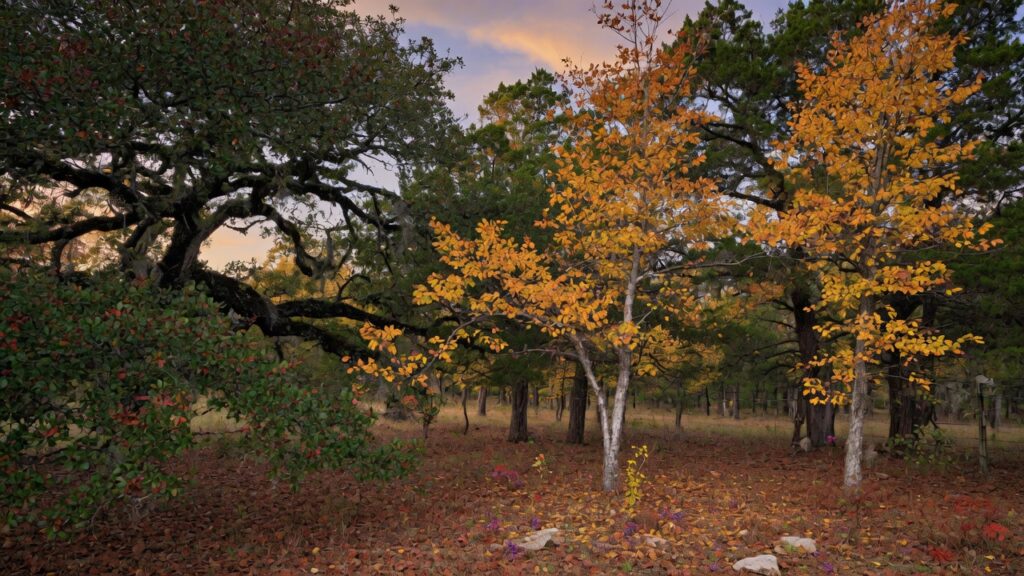
In the fall, iconic trees such as Southern Live Oak and Cedar Elm showcase their beautiful foliage as they prepare for winter. These trees offer important shade and habitat for countless species. Proper care involves regular pruning and monitoring for pests to ensure robust health year-round. Finally, during the winter months, as many plants go dormant, it’s an ideal time to assess the health of the landscape and perform necessary maintenance tasks, such as mulching and soil testing.
Weather Patterns to Expect
The Texas coast experiences a distinct climate that transitions dramatically across the four seasons. Each season introduces unique weather patterns, characterized by varying temperatures, humidity levels, and storm systems. Understanding these patterns is crucial for residents to effectively prepare for any weather-related challenges.
Starting with spring, the season typically sees mild temperatures, with averages ranging between 60°F and 80°F. This period is often marked by increased humidity, which can lead to pop-up thunderstorms. As temperatures rise, residents may witness a greater frequency of severe weather events, including the occasional tornado. It is advisable to stay updated with local weather forecasts and have emergency plans in place.
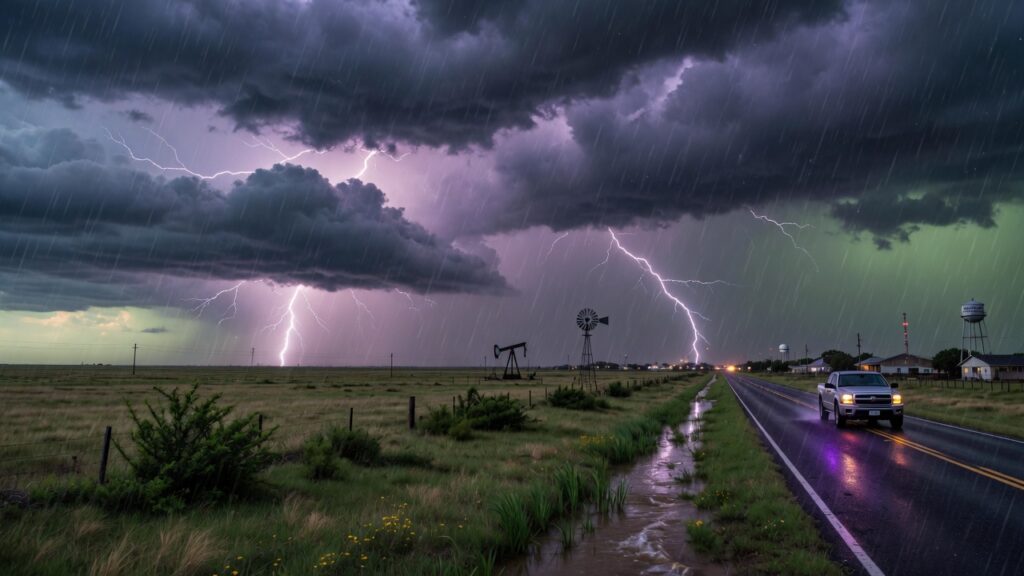
Summer in Texas is reminiscent of a tropical climate, characterized by high temperatures and oppressive humidity, often exceeding 90°F. This heat can lead to heat waves, making hydration and heat safety critical for residents. Additionally, summer is the beginning of hurricane season, extending from June to November. Coastal communities should remain vigilant, monitoring forecasts and having hurricane preparedness kits ready, as powerful storms can create significant disruptions.
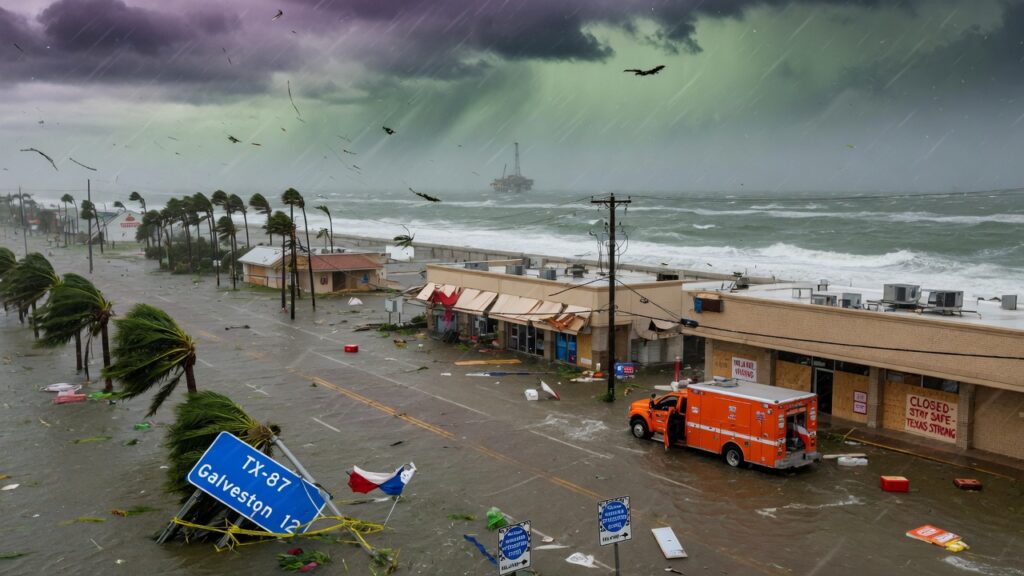
As fall arrives, temperatures gradually decline, providing some relief from the summer heat. However, this season also carries the potential for tropical storms and hurricanes, particularly in late summer and early fall. Residents should stay informed about approaching systems and have contingency plans for possible evacuations.
Winter along the Texas coast is brief and mild, with temperatures averaging between 40°F and 60°F. Cold fronts can occasionally bring strong winds and unseasonably low temperatures. While snowfall is rare, residents should be equipped for sudden weather shifts. Understanding these patterns enables coastal dwellers to adapt and respond to the challenges posed by the area’s diverse climate.
Seasonal Home Preparation Tips
As homeowners on the Texas coast experience the nuances of each season, preparing the home accordingly becomes pivotal for comfort, safety, and efficiency. Seasonal transitions bring a unique set of challenges; being proactive allows residents to mitigate potential issues. Below are key maintenance tasks tailored for each season.
Winter Preparation: To prepare for the cooler months, homeowners should focus on winterizing their properties. Start by checking and sealing any gaps around windows and doors to prevent drafts. Insulating pipes is crucial to avoid them freezing during unexpected cold snaps. A simple checklist includes:
- Inspect heating systems; replace air filters.
- Clean the chimney and check for blockages.
- Stock up on salt or sand for icy pathways and steps.
- Ensure outdoor hoses are drained and stored properly.
Spring Cleaning: As temperatures rise, it is important to refresh your environment. This season calls for thorough cleaning and organizing. Focus on the following tasks:
- Clean gutters to allow for proper drainage during spring rains.
- Inspect the roof for damage post-winter.
- Deep clean carpets and fabrics to remove winter dust accumulation.
- Check garden tools and perform necessary landscaping tasks.

Summer Cooling: With high temperatures, homeowners need to ensure effective cooling. Here are summer-specific tips:
- Service or replace air conditioning units.
- Install window films to reduce heat buildup indoors.
- Regularly check and clean pool filters.
- Inspect and update outdoor furniture for wear and tear.
By adhering to these preparation strategies, Texas coastal homeowners can navigate seasonal changes with ease, maintaining both the functionality and aesthetics of their properties. Each seasonal checklist acts as a reminder for essential tasks that contribute significantly to home upkeep and comfort throughout the year.
Conclusion: Embracing Life on the Texas Coast
Living on the Texas Gulf Coast is an enriching experience that encompasses a delightful spectrum of seasonal changes throughout the year. Each season brings its own unique charms and challenges, fostering a deep appreciation for the dynamic environment that characterizes this coastal region. From the vibrant blooms of spring to the vibrant sunsets of summer, and the crisp, refreshing air of autumn to the serene winters, there is much to enjoy for residents and visitors alike.
As the year unfolds, it is essential to embrace the fluctuations in weather and natural scenery. Each season presents opportunities for various outdoor activities such as boating in the warm summer waters, enjoying the beauty of migrating birds in spring, or indulging in the tranquility of winter strolls on the beach. Understanding and adapting to the coastal climate can significantly enhance one’s experience living here.
Additionally, staying informed about local events and seasonal festivals offers community engagement and enjoyment, enriching the coastal lifestyle. Whether savoring fresh seafood from local markets during the summer months or participating in autumn festivals celebrating the harvest, there is an opportunity for connection and joy at every turn. The vibrant culture and lifestyle of the Texas coast foster a strong sense of community and belonging.
In embracing the seasonal changes and all that they entail, inhabitants of the Texas coast can truly appreciate the beauty of their environment. The ebb and flow of the seasons not only enhance the landscape but also contribute to a lifestyle filled with richness, adventure, and creativity. As such, there is immense value in making the most of each season and celebrating the joys of life on the Texas Gulf Coast.